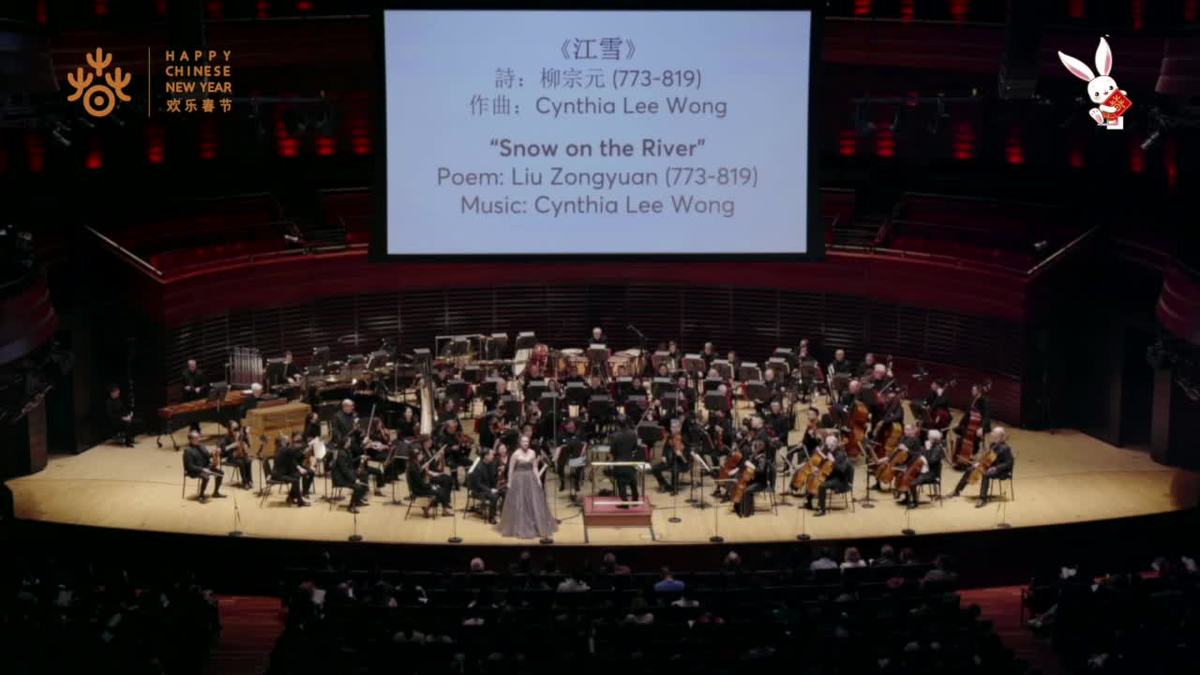
Snow on the River
Overview
Snow on the River is a renowned Chinese poem by the classical poet Liu Zongyuan. The poem is celebrated for its vivid imagery and deep philosophical undertones. It reflects the solitude and tranquility of nature during a snow-covered winter scene. The Chinese title of the poem is Jiang Xue, which can be translated to River Snow.
Liu Zongyuan
Liu Zongyuan was an influential Chinese poet and essayist during the Tang Dynasty (618-907), which is considered a high point in Chinese civilization, particularly in the field of poetry. Liu's work is known for its depth and often reflects themes of nature, solitude, and philosophical introspection. Despite facing political setbacks that led to his relegation to a provincial post, Liu continued to write prolifically, contributing significantly to Chinese literature.
Poem Analysis
The poem Snow on the River consists of four lines, a typical form for classical Chinese poetry. The lines translate to:
On thousand mountains no sign of birds,
On ten thousand paths no trace of man.
A boat and an old man with straw rain cape,
Fishes alone in cold river snow.
Each line of the poem paints a picture of desolation and serenity. The first two lines describe an expansive, silent landscape where life seems to have vanished under the snow. The imagery of "thousand mountains" and "ten thousand paths" emphasizes the vastness of the scene, while the absence of birds and human footprints highlights the isolation and stillness of winter.
The last two lines focus on a solitary figure, an old man in a boat, enveloped in his straw rain cape, fishing in the cold river amidst the snow. This image encapsulates the essence of solitude and perseverance, resonating with themes of resilience and the human spirit's quiet endurance against nature's vast and indifferent force.
Musical Composition
The poem has transcended its literary origins to inspire music, most notably composed by Cynthia Wong, an American composer known for her ability to intertwine cultural elements into her music. Her composition, also titled Snow on the River, captures the essence of Liu Zongyuan's poem through a blend of classical and contemporary musical styles.
Vocal Performance
The musical piece has been performed by soprano Esther Maureen Kelly, whose vocal interpretation brings a new dimension to the ancient poem. Her performance accentuates the poem’s themes of solitude and nature, enhancing the emotional depth and resonance of Liu Zongyuan's words through her expressive voice.
Cultural Significance
Snow on the River is not just a poem but an embodiment of the cultural and philosophical ethos of its time. It reflects the Tang dynasty's appreciation for the natural world and the philosophical musings that often accompanied reflections on nature. The poem's simplicity and profoundness have allowed it to remain relevant and admired over centuries, transcending cultural boundaries through various artistic interpretations.
Themes and Interpretations
The poem's themes revolve around solitude, nature, and the human experience. The stark imagery of a snow-covered landscape evokes a sense of peace and introspection. The poem is often interpreted as a reflection on the beauty and harshness of nature, as well as the resilience required to navigate such a world alone.
The old man fishing alone symbolizes perseverance and the ability to find solace and purpose even in the most isolated circumstances. This resilience is a timeless theme that resonates with readers and audiences, offering a meditative insight into the relationship between humans and nature. Article reference1. Snow on the River. en.chinaculture.org. 2023Photo Gallery(0 picture)CategoriesLiteratureTagCi PoetryChinese PoetryRelatedLiu ZongyuanCatalogue1. Overview2. Liu Zongyuan3. Poem Analysis4. Musical Composition5. Vocal Performance6. Cultural Significance7. Themes and Interpretations- - - []








